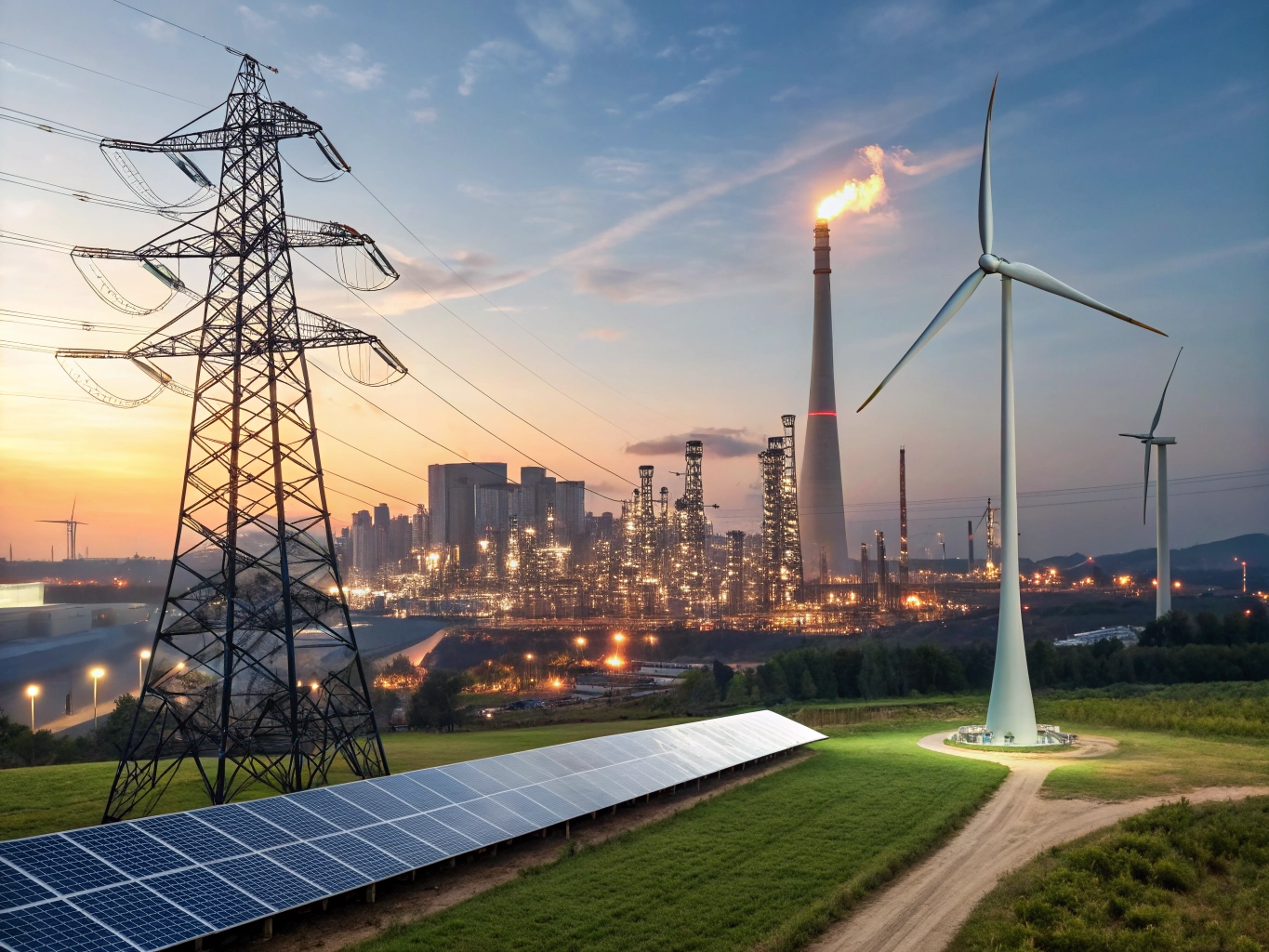





The global energy transition is reshaping the way societies produce, distribute, and consume energy. Governments, industries, and communities are moving toward cleaner and more sustainable energy systems to reduce carbon emissions, improve energy security, and create a more resilient future.
Renewable energy sources such as solar power, wind energy, hydropower, and emerging technologies are becoming essential parts of the modern energy landscape. Increased investment in clean energy infrastructure is helping countries reduce their dependence on traditional fossil fuels while supporting economic growth and innovation.
Solar energy continues to experience rapid expansion worldwide. Advances in solar panel efficiency, manufacturing improvements, and declining costs have made solar power one of the most accessible renewable energy solutions. Large-scale solar farms and residential solar installations are contributing significantly to global electricity generation.
Wind energy is another major driver of the energy transition. Onshore and offshore wind projects are expanding across many regions as governments and companies seek reliable sources of clean electricity. Improvements in turbine technology are increasing energy production while reducing operational costs.
Energy storage has become a critical component of renewable energy development. Battery storage systems help manage fluctuations caused by renewable sources and provide stability to electricity grids. New storage technologies are being developed to improve capacity, efficiency, and affordability.

Hydrogen energy is gaining attention as a potential solution for industries that are difficult to electrify. Green hydrogen produced using renewable electricity could help reduce emissions in sectors such as transportation, manufacturing, and heavy industries. Countries are investing in hydrogen infrastructure and research programs.
Smart grid technology is transforming traditional electricity networks. Digital monitoring systems, artificial intelligence, and advanced analytics allow utilities to manage energy demand more efficiently. Smart grids support renewable energy integration while improving reliability for consumers.
The energy transition is also creating significant economic opportunities. Renewable energy projects are generating new jobs in engineering, construction, manufacturing, research, and maintenance. Businesses are developing innovative solutions to support cleaner energy production and consumption.

Governments are introducing policies, incentives, and regulations to accelerate clean energy adoption. Climate targets, renewable energy programs, and investment initiatives are encouraging organizations to adopt sustainable energy strategies.
Despite progress, the energy transition faces challenges including infrastructure development, energy storage limitations, supply chain requirements, and investment needs. Addressing these challenges will require cooperation between governments, industries, researchers, and communities.
The future energy system will likely combine renewable generation, advanced storage, digital technologies, and improved efficiency. Continued innovation and global collaboration will play a crucial role in creating a cleaner, more affordable, and sustainable energy future.