




Utility services play a critical role in supporting modern economies and ensuring the smooth functioning of communities worldwide. From electricity and water distribution to gas supply and waste management, utility providers are responsible for delivering essential services that impact millions of people every day. As demand continues to grow and infrastructure ages, utilities are investing heavily in modernization projects designed to improve efficiency, reliability, and sustainability.
Digital transformation has become one of the most significant trends in the utility sector. Organizations are implementing advanced technologies such as smart meters, IoT sensors, cloud computing platforms, and artificial intelligence systems to improve operational visibility and performance. These technologies enable utility providers to monitor infrastructure in real time, identify potential issues before they become major problems, and optimize resource allocation across their networks.
Smart infrastructure investments are helping utilities reduce outages and improve customer satisfaction. Modern monitoring systems provide operators with valuable insights into system performance, allowing faster responses to equipment failures and service disruptions. Automated controls and predictive maintenance tools help organizations reduce downtime while minimizing operational costs. These improvements contribute to greater reliability and enhanced service quality for consumers.
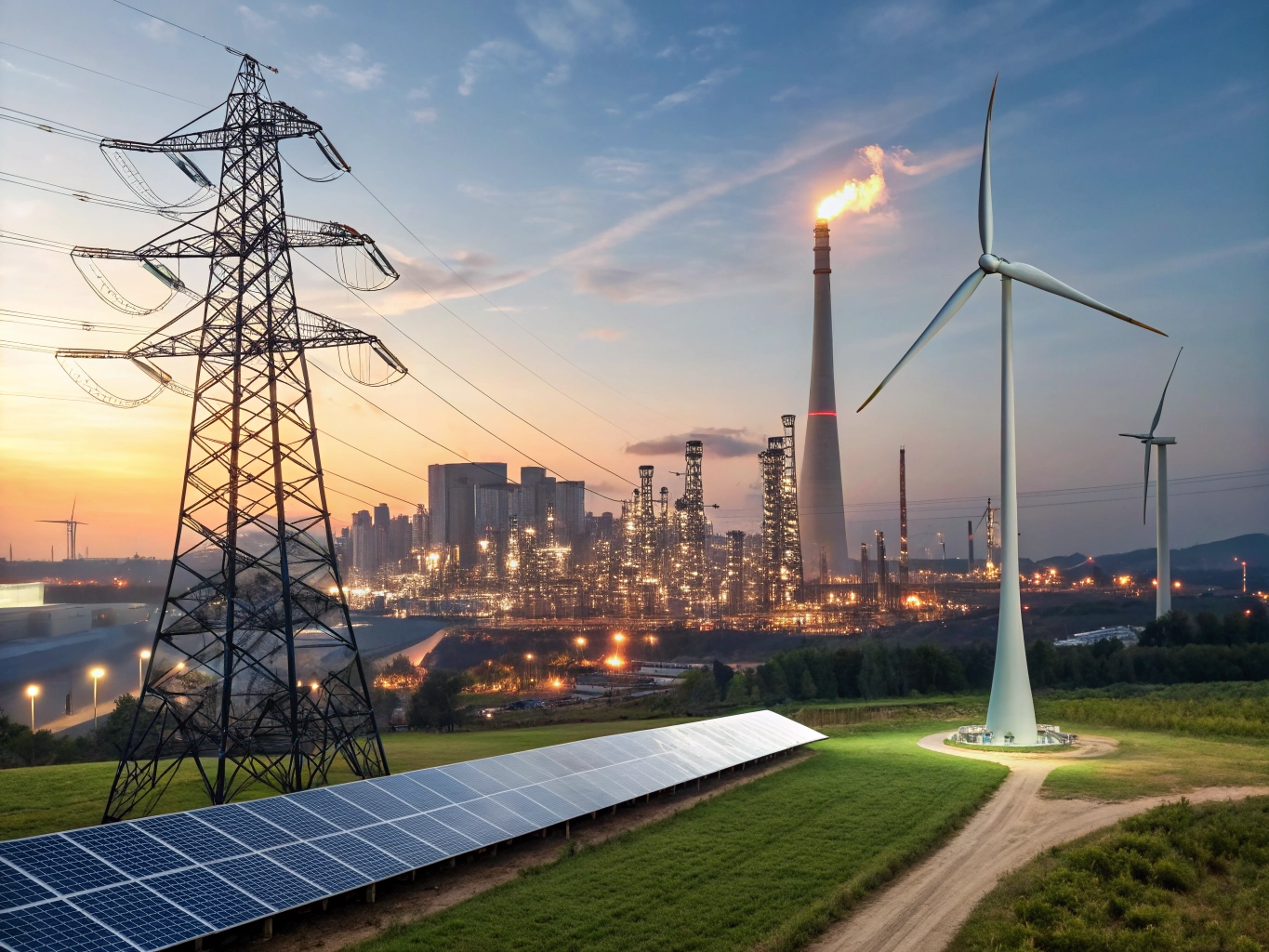
Sustainability remains a major focus area for utility providers around the world. Governments, regulators, and consumers are increasingly demanding environmentally responsible operations that reduce emissions and support long-term resource conservation. Utilities are investing in renewable energy projects, energy efficiency programs, and sustainable infrastructure solutions to meet these expectations. These initiatives help organizations achieve environmental goals while supporting economic growth and energy security.
Cybersecurity has become another critical priority as utility systems become more connected and data-driven. Modern infrastructure relies heavily on digital technologies, making protection against cyber threats essential. Utility companies are implementing advanced security frameworks, threat detection systems, and employee training programs to safeguard critical assets and maintain service continuity. Effective cybersecurity strategies help protect both operational systems and customer information.

The adoption of artificial intelligence and machine learning is transforming utility management practices. AI-powered platforms can analyze large volumes of operational data to identify trends, forecast demand, and optimize maintenance schedules. Predictive analytics help organizations improve decision-making and allocate resources more effectively. These capabilities support improved efficiency while reducing operational risks and costs.
Water utilities are also embracing innovation through advanced treatment technologies and smart distribution systems. Real-time monitoring helps detect leaks, reduce water loss, and improve overall network performance. Utilities are investing in infrastructure upgrades that ensure reliable access to clean water while supporting sustainability objectives and regulatory compliance requirements.
Electric utility providers continue to modernize power grids to support renewable energy integration and growing electricity demand. Smart grid technologies enable real-time communication between infrastructure components, improving reliability and flexibility. These investments help utilities manage energy resources more efficiently while preparing for future technological advancements.

Customer engagement is becoming increasingly important within the utility industry. Digital platforms, mobile applications, and smart metering systems provide consumers with greater visibility into their resource usage. This information empowers customers to make informed decisions about consumption patterns and participate in energy efficiency programs. Enhanced engagement contributes to stronger relationships between utilities and the communities they serve.
Looking ahead, the future of utilities will be shaped by continued innovation, sustainability initiatives, and infrastructure modernization. Emerging technologies such as artificial intelligence, advanced analytics, renewable energy systems, and smart automation will play a significant role in transforming utility operations. Organizations that embrace these advancements will be better positioned to meet future challenges while delivering reliable, efficient, and sustainable services to customers worldwide.