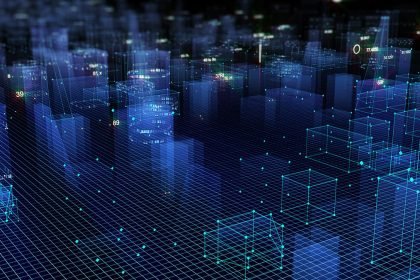





The power grid industry is undergoing a significant transformation driven by technological innovation, infrastructure modernization, and increasing energy demand. Utilities around the world are investing heavily in advanced systems that improve reliability, efficiency, and sustainability. The topic of Grid Modernization Investments Reach Record Levels highlights one of the most important developments currently shaping the future of electricity networks.
Modern power grids are becoming increasingly intelligent through the deployment of smart sensors, advanced communication technologies, and real-time monitoring platforms. These systems provide operators with valuable information that helps optimize energy distribution, improve fault detection, and enhance overall grid performance. The adoption of digital technologies is enabling utilities to respond more effectively to changing energy consumption patterns.
Renewable energy integration continues to play a major role in grid modernization efforts. Solar and wind energy projects are expanding rapidly across many regions, requiring utilities to upgrade transmission and distribution infrastructure. Advanced forecasting tools and energy storage systems are helping operators maintain stability while accommodating variable renewable generation sources.
Another important factor influencing the industry is the growing demand for electricity driven by population growth, urbanization, and electrification initiatives. Electric vehicles, smart cities, and industrial expansion are placing additional pressure on existing infrastructure. Utilities must invest strategically to ensure that networks remain resilient and capable of supporting future requirements.
Cybersecurity has emerged as a critical concern for power grid operators. As systems become more connected and data-driven, protecting critical infrastructure from digital threats has become a top priority. Companies are implementing advanced security frameworks, continuous monitoring solutions, and employee training programs to safeguard operations.

Energy storage technologies are also gaining momentum as utilities seek greater flexibility and reliability. Battery systems can store excess electricity generated during low-demand periods and release it when demand increases. This capability supports renewable integration, improves grid stability, and reduces dependence on conventional generation resources.
Artificial intelligence and machine learning are transforming how utilities manage their assets and operations. Predictive maintenance systems help identify equipment issues before failures occur, reducing downtime and maintenance costs. Data analytics platforms provide valuable insights that support informed decision-making and operational efficiency improvements.
Governments and regulators are actively supporting grid modernization through policy initiatives, funding programs, and infrastructure investments. Public and private sector collaboration is helping accelerate the deployment of innovative technologies while ensuring energy security and sustainability objectives are achieved.
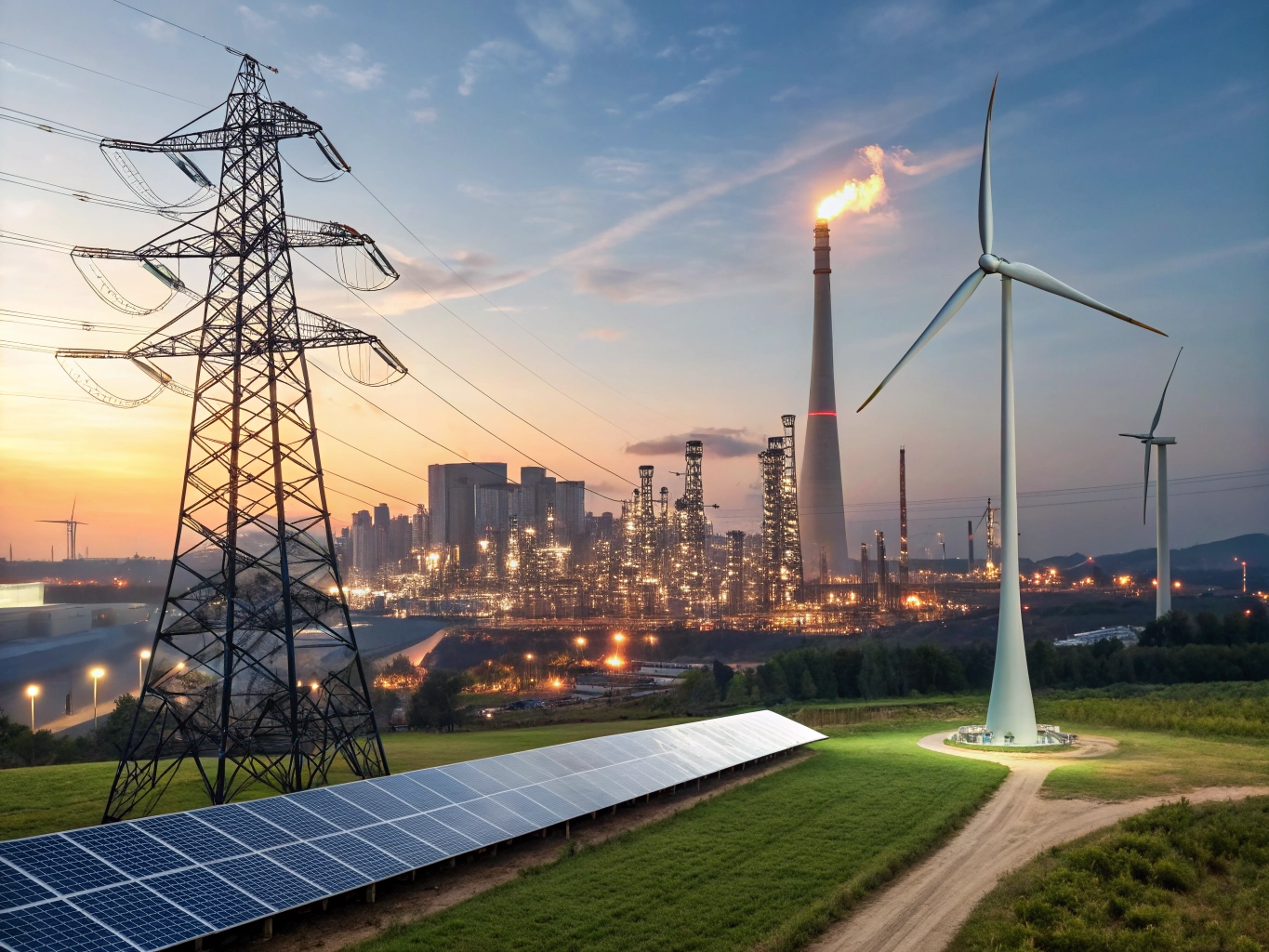
Looking ahead, the future of power grids will be characterized by greater automation, enhanced connectivity, and increased integration of clean energy resources. Continued investment in digital infrastructure, energy storage, and advanced transmission systems will be essential for meeting evolving consumer expectations and environmental goals.
Industry experts believe that organizations embracing innovation today will be better positioned to navigate future challenges and capitalize on emerging opportunities. As energy systems continue to evolve, modernized power grids will serve as the foundation for reliable, efficient, and sustainable electricity delivery across the globe.