


The Lingering Shadow: 240 Joachim Boldt Papers Retracted More Than a Decade On
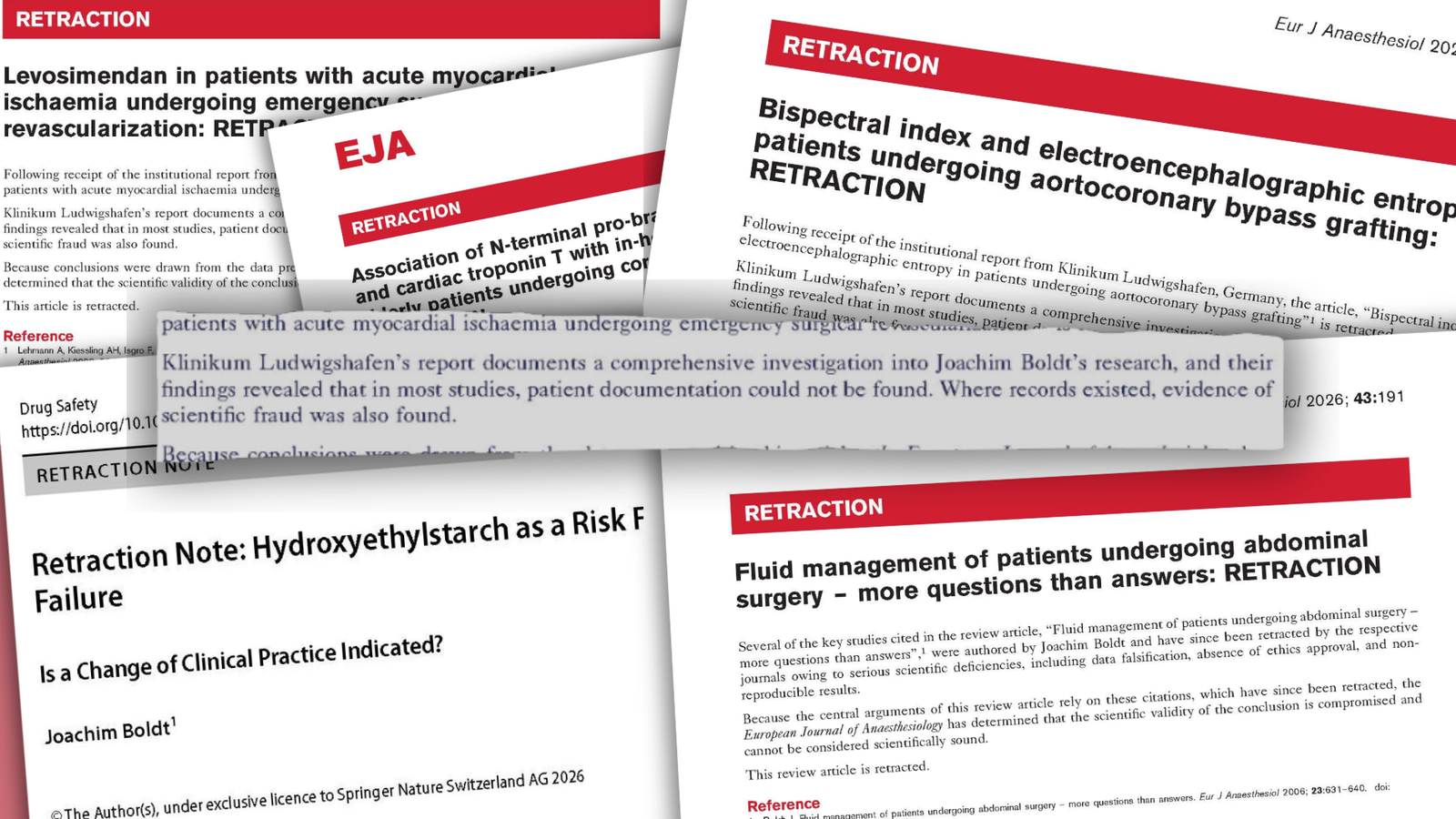
More than a decade after the initial revelations of widespread scientific misconduct, the legacy of anesthesiologist Joachim Boldt continues to plague medical literature. An alarming 240 of Boldt’s research papers have now been formally retracted, a stark reminder of one of the largest fraud scandals in scientific history.
The scandal, which first broke in 2010, involved hundreds of papers, many of which were published without proper ethical approval or contained fabricated data. Its enduring nature underscores the profound challenges in identifying and rectifying deeply entrenched research fraud.
“The Boldt Debacle”: A Decades-Long Unraveling
Martin Tramèr, then editor-in-chief of the European Journal of Anaesthesiology, famously coined the term “The Boldt debacle” to describe the unfolding crisis. Tramèr, a key figure in addressing the initial wave of retractions, witnessed firsthand the immense task of sifting through Boldt’s extensive publication record.
The continuous flow of retractions, even now, highlights the slow and painstaking process required to cleanse the scientific record. Journals, institutions, and research integrity offices are often burdened with years of investigative work to ensure accuracy and prevent the propagation of flawed research.
Impact on Scientific Integrity and Trust
The sheer volume and protracted timeline of the Boldt retractions serve as a critical case study for academic publishing. They raise serious questions about peer review processes, the responsibility of co-authors, and the vigilance required from editorial boards to uphold research ethics.
More Read

- Erosion of Trust: Such large-scale fraud can diminish public and scientific trust in published research, particularly in critical fields like medicine.
- Patient Safety Concerns: In anaesthesiology, where Boldt’s work was prominent, false findings could have implications for patient treatment protocols.
- Lessons for Future Research: The debacle has pushed journals and institutions to implement more stringent ethical oversight and data verification protocols.
The Ongoing Effort to Correct the Record
The fact that retractions are still occurring more than ten years after the scandal’s initial exposure speaks volumes. It indicates a meticulous, albeit slow, effort by the scientific community to systematically identify and remove every compromised study from the academic record.
As the count reaches 240, the “Boldt debacle” remains a cautionary tale, emphasizing the critical importance of research integrity and the long-term commitment required to uphold the credibility of scientific discovery.