



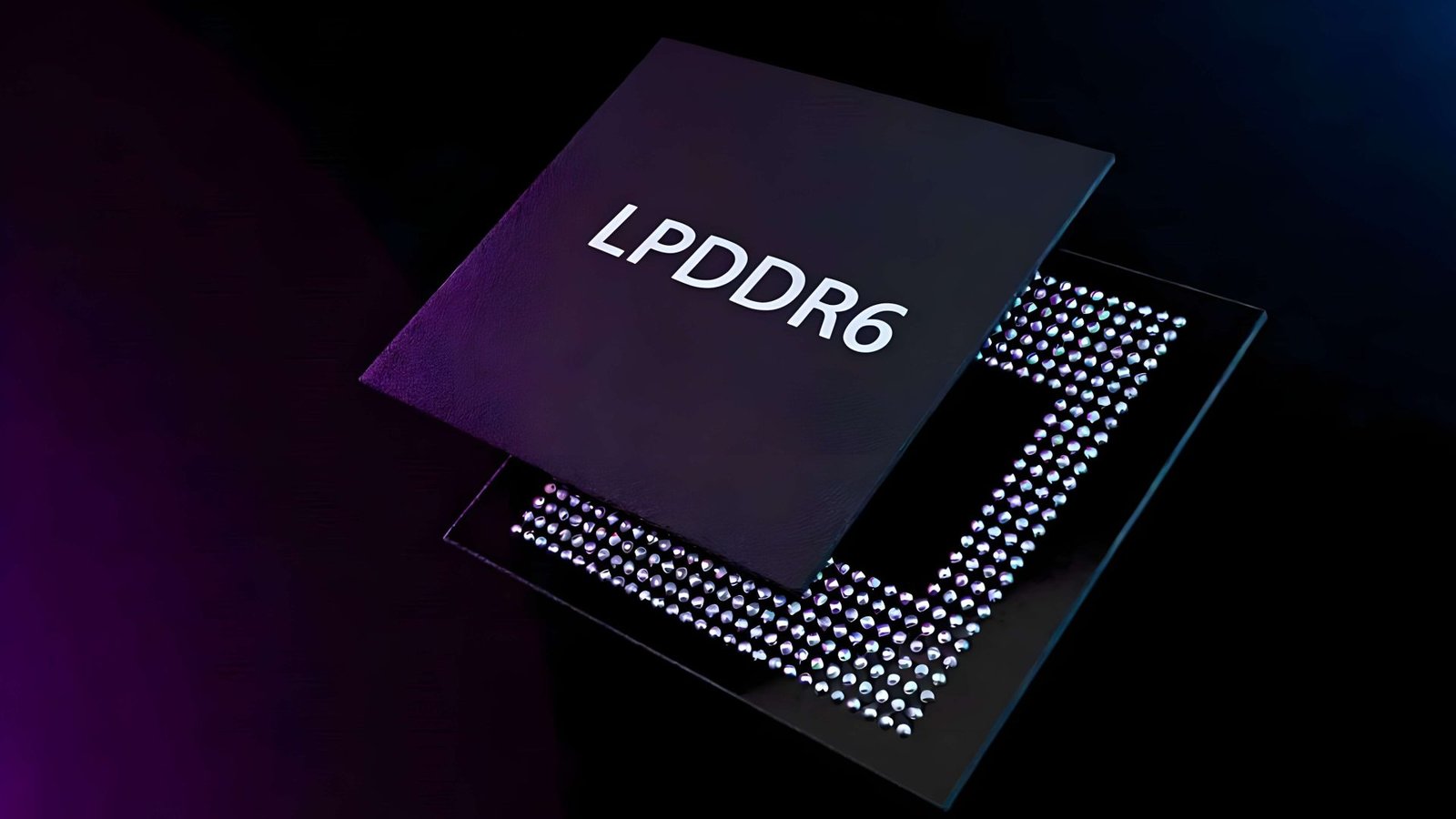
Apple’s A20 Pro Chip Set for 96-Bit LPDDR6 Revolution in iPhone 18 Pro, Balancing Innovation with Potential NAND Savings
Cupertino, CA – Apple is reportedly poised to make a significant departure from its long-standing memory architecture with the upcoming A20 Pro chip, destined for the iPhone 18 Pro and iPhone 18 Pro Max. Sources suggest the new chipset will adopt a groundbreaking 96-bit LPDDR6 memory interface, marking the end of a 13-year reliance on 64-bit bandwidth. This pivotal upgrade promises substantial performance enhancements for Apple’s next-generation flagship smartphones.
A Paradigm Shift in Mobile Memory Performance
For over a decade, Apple has consistently utilized a 64-bit memory bandwidth for its powerful A-series processors. The reported shift to a 96-bit LPDDR6 configuration represents a 50% increase in memory bandwidth, which is expected to unlock unprecedented levels of performance. This upgrade could significantly boost the iPhone 18 Pro’s capabilities in areas such as demanding graphics rendering, advanced AI and machine learning tasks, complex multitasking, and seamless high-fidelity gaming.
The move to LPDDR6 itself is a step forward, offering improved power efficiency and higher data rates compared to previous generations. Coupled with the expanded 96-bit interface, the A20 Pro chip is anticipated to set new benchmarks for smartphone performance, ensuring the iPhone 18 Pro duo remains at the forefront of mobile technology.
The Balancing Act: Potential Cost Savings on NAND Storage
While the memory upgrade signifies a major investment in performance, reports also indicate that Apple may be implementing a counterbalancing strategy by potentially reducing costs associated with the NAND storage on the iPhone 18 Pro and Pro Max. The exact nature of these cost-saving measures remains unclear, but it could manifest in various ways, such as optimizing storage controller designs or adjusting the specifications of the base model’s NAND.
This approach suggests Apple is carefully managing its component expenditures, particularly given the generally rising costs of high-performance memory. By potentially streamlining NAND-related expenses, the company might be aiming to absorb some of the increased costs associated with the advanced 96-bit LPDDR6 implementation, without drastically impacting the final retail price for consumers.
More Read

What This Means for Consumers and the Future of iPhone
For end-users, the immediate benefit will be a noticeable improvement in the responsiveness and raw power of the iPhone 18 Pro and Pro Max. Apps will launch faster, graphically intensive games will run smoother, and complex computational tasks will be processed with greater efficiency. The enhanced memory bandwidth is crucial for leveraging the full potential of future iOS features and applications, especially those heavily reliant on AI and augmented reality.
However, the potential for cost-cutting on NAND storage raises questions. While users primarily experience memory bandwidth benefits in real-time performance, the speed and type of NAND storage can impact file transfer speeds, app installation times, and overall system responsiveness. Apple will need to ensure that any optimizations in this area do not compromise the premium user experience expected from its Pro models.
This dual strategy highlights Apple’s ongoing effort to innovate at the chip level while navigating the complexities of component supply and pricing. The A20 Pro’s 96-bit LPDDR6 memory architecture is undoubtedly a forward-looking step, promising to redefine the performance ceiling for future iPhones, while its complementary approach to storage costs reflects a pragmatic business decision in an evolving market.
More Read
Industry analysts will be closely watching the official unveiling of the iPhone 18 Pro series to see how these intricate engineering and cost-management decisions translate into real-world performance and value for consumers.