


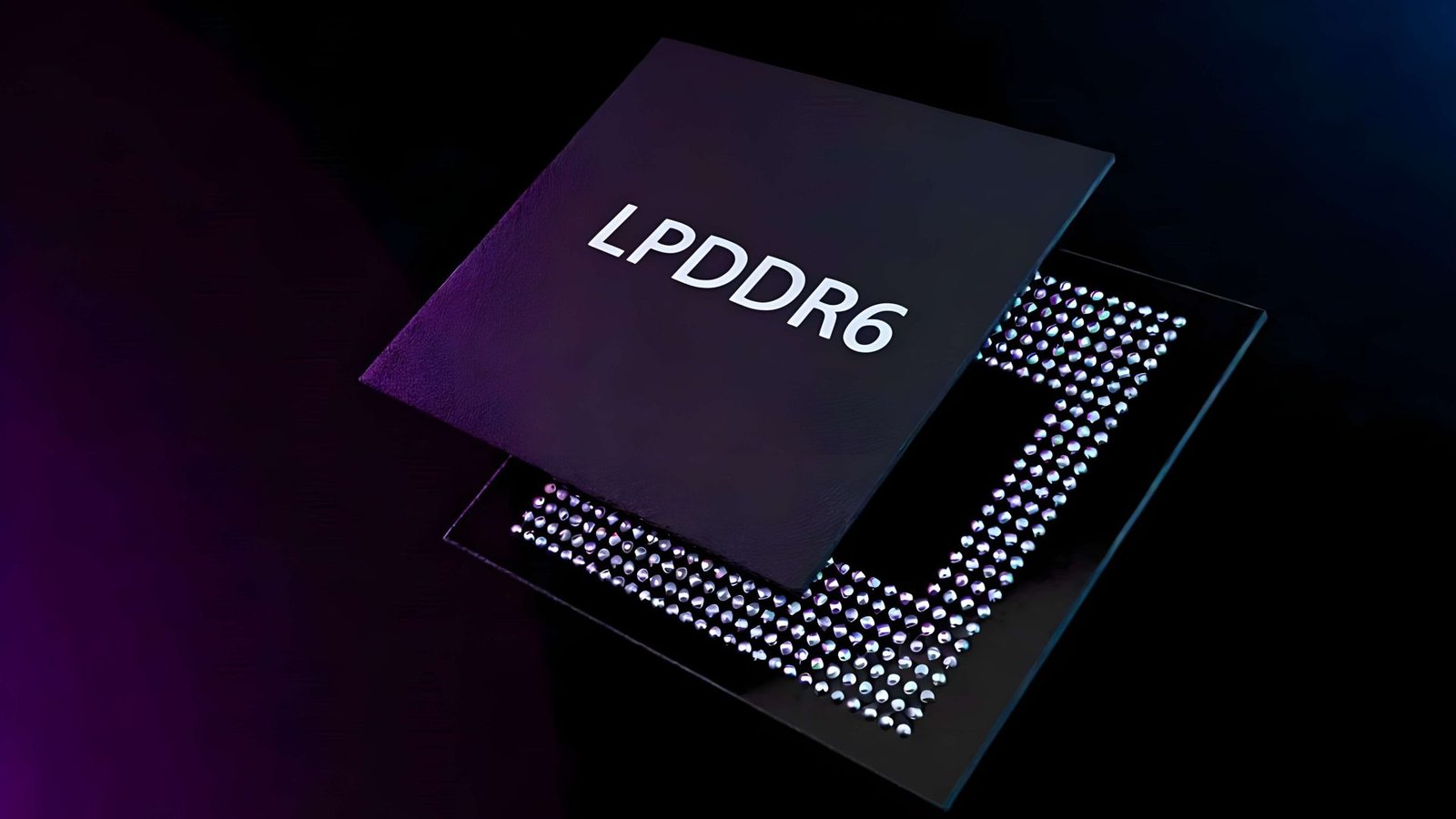
Cupertino appears poised to shake up its smartphone architecture with the highly anticipated iPhone 18 Pro and iPhone 18 Pro Max. Industry whispers suggest that Apple’s next-generation A20 Pro chip, destined for these premium devices, will introduce a significant shift in memory technology by adopting a 96-bit LPDDR6 memory interface. This move marks a substantial departure from the 64-bit bandwidth Apple has consistently employed for over a decade, signaling a new era for iPhone performance.
A Paradigm Shift in iPhone Memory
For thirteen years, Apple has relied on a 64-bit memory bus architecture for its flagship iPhone processors. The transition to a 96-bit LPDDR6 standard with the A20 Pro chip represents a major leap, potentially offering a 50% increase in memory bandwidth. This enhancement could unlock unprecedented performance gains, particularly beneficial for demanding applications such as advanced AI models running on-device, high-fidelity gaming, complex multi-tasking, and professional-grade video editing. Increased bandwidth allows the chip to access data much faster, directly translating to smoother operation and more responsive user experiences.
The upgrade to LPDDR6, the latest generation of Low-Power Double Data Rate Synchronous Dynamic Random-Access Memory, further underscores Apple’s commitment to pushing performance boundaries while maintaining energy efficiency. This combination of wider bus and faster memory technology is expected to solidify the iPhone 18 Pro models’ position at the forefront of mobile computing.
Balancing Innovation with Cost: The Storage Dilemma
While the memory upgrade promises significant advantages, sources also indicate that Apple may be implementing a cost-saving measure concerning the NAND flash storage in the iPhone 18 Pro duo. To counterbalance the “ballooning memory-related costs” associated with the more advanced LPDDR6 and potentially larger RAM modules, Apple is reportedly considering less expensive NAND solutions. This strategy could involve using different types or grades of NAND, or perhaps optimizing supply chain agreements to reduce expenditure.
The potential implications of this storage optimization for consumers remain to be seen. While Apple is renowned for its stringent quality control, any change to storage components could theoretically impact factors like sequential read/write speeds or the long-term durability of the drives. However, it’s more likely that Apple will balance cost reduction with ensuring that the user experience for day-to-day tasks remains uncompromised, reserving premium storage components for specific high-tier configurations or future iterations.
More Read

What This Means for the Future of iPhone
This strategic bifurcation – a significant upgrade in memory performance alongside a potential cost-optimization in storage – highlights Apple’s complex balancing act between innovation, performance, and profitability. The A20 Pro’s 96-bit LPDDR6 memory is set to be a key selling point for the iPhone 18 Pro and Pro Max, offering a glimpse into the future capabilities of mobile devices. As always, official details will only be confirmed closer to the devices’ anticipated launch, but these early rumors paint a compelling picture of what’s to come for Apple’s next-generation flagship smartphones.